


In agricultural commodity exports, logistics can make or break profitability. A shipment delayed by even a few days can miss market windows, incur storage costs, or result in quality degradation. Yet many exporters treat logistics as an afterthought, coordinating transportation, documentation, and customs clearance through multiple disconnected channels. This comprehensive guide explores how integrated logistics optimization transforms agricultural export operations, reducing costs while improving reliability.
Consider a typical scenario: A Kochi-based cashew exporter receives an order for 20 containers to be shipped to Dubai. They coordinate with the supplier for pickup, arrange transportation to the port, manage documentation with freight forwarders, track customs clearance, and monitor vessel schedules—all through phone calls, emails, and WhatsApp messages spread across dozens of conversations.
When a truck breaks down during transport, it takes hours to get updates. Documentation errors discovered at customs create multi-day delays. The vessel departs without their containers, forcing them to wait another week for the next sailing. What should have been a smooth 12-day delivery stretches to 25 days, with additional costs for storage, urgent transportation, and customer relationship damage.
This inefficiency isn't unusual—it's the norm in traditional agricultural logistics. The costs extend far beyond transportation rates to include time wasted on coordination, emergency expenses when things go wrong, missed market opportunities, and the stress of managing unpredictable supply chains.
Origin Coordination: Logistics begins at the supplier's facility. Efficient systems coordinate pickup scheduling, loading supervision, quality verification, and initial documentation. When multiple suppliers contribute to a single shipment, coordination becomes even more critical—consolidating loads from different locations into containers while maintaining quality standards and documentation accuracy.
Transportation Management: Moving agricultural commodities from origin to port involves managing various transportation modes (trucks, railways), route optimization to minimize transit time, real-time vehicle tracking, temperature and humidity control for sensitive products, and contingency planning for breakdowns or delays.
Documentation and Compliance: Agricultural exports require extensive paperwork: phytosanitary certificates, quality certificates, commercial invoices, packing lists, bills of lading, certificates of origin, and customs declarations. Each document must be accurate, complete, and available at the right time. Errors or missing documents create costly delays at ports and customs checkpoints.
Port and Customs Operations: Smooth port operations depend on timely container booking, accurate customs declarations, proper classification of goods, duty calculations, inspection coordination, and quick problem resolution when issues arise. Experienced logistics partners navigate these complexities efficiently.
Vessel and Freight Management: Selecting optimal shipping routes and vessels involves balancing cost against transit time, understanding vessel schedules and reliability, negotiating competitive freight rates, managing booking confirmations, and having backup plans when space isn't available.
Final Mile Coordination: For containerized exports, logistics continues beyond the port of departure. Coordinating with destination handlers, managing customs at destination ports, arranging final delivery to customer facilities, and maintaining product quality throughout the journey all require attention.
Digital platforms like OMPOI integrate these fragmented logistics components into cohesive systems:
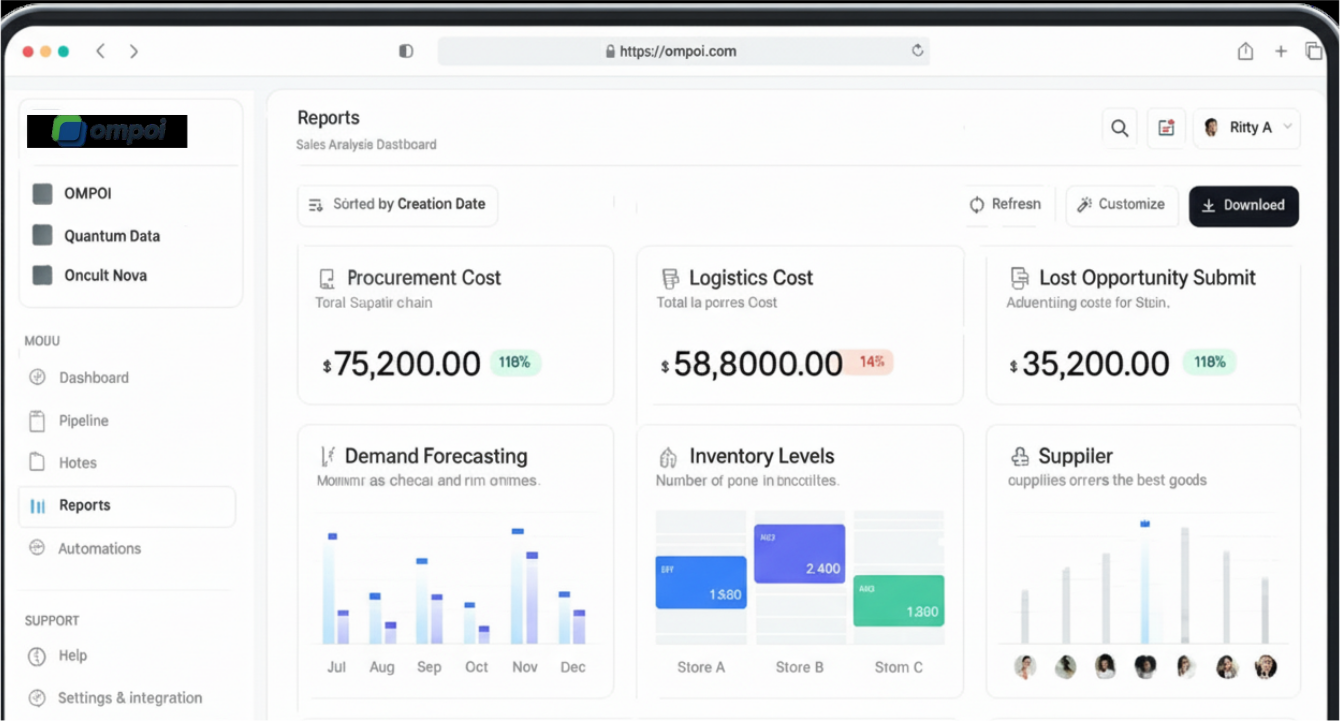
Single Dashboard Visibility: Track every shipment milestone from pickup scheduling through final delivery on one screen. Real-time updates eliminate the need for constant phone calls and status inquiries. When stakeholders—suppliers, transporters, freight forwarders, customs agents—update their activities, everyone sees the same information simultaneously.
Automated Coordination: Systems automatically notify relevant parties when milestones occur or actions are needed. When containers arrive at ports, customs agents receive automatic alerts to begin clearance processing. When documentation is uploaded, quality control teams receive notifications for review. This automation reduces coordination time from hours to minutes.
Document Management: Centralized document repositories store all certificates, invoices, and compliance documents in one accessible location. Version control ensures everyone works from current documents. Digital signatures and approvals eliminate paper-based workflows and courier costs. Customs declarations auto-populate from transaction data, reducing manual entry errors.
Predictive Analytics: Advanced systems analyze historical data to predict optimal shipping windows, identify high-risk periods for port congestion, forecast customs clearance times, and recommend best carrier options based on past performance. These insights help exporters plan more effectively and avoid predictable delays.
A Mumbai-based spice exporter handling 40 containers monthly faced chronic logistics challenges—average delivery times of 28 days for routes that should take 15 days, 15% late delivery rate, and logistics coordination consuming 60+ hours of staff time weekly. After implementing integrated logistics management through OMPOI:
These improvements came not from changing transportation providers or routes, but from better coordination, visibility, and problem prevention through integrated systems.
Consolidation Opportunities: Combining multiple smaller shipments into full container loads improves cost efficiency. Digital platforms help identify consolidation opportunities by matching shipments headed to similar destinations, coordinating pickup from multiple suppliers, and optimizing loading to maximize container utilization. A 20% improvement in container utilization translates directly to cost savings.
Strategic Warehouse Utilization: Pre-positioning inventory near major ports can significantly reduce lead times. For commodities with predictable seasonal demand patterns, strategically located warehouses enable rapid export response when orders arrive. Platforms like OMPOI coordinate warehouse availability, inventory tracking, and just-in-time dispatch to optimize this strategy.
Carrier Relationship Management: Maintaining strong relationships with reliable carriers and freight forwarders creates competitive advantages. Digital platforms track carrier performance across multiple shipments, identifying top performers based on on-time pickup, damage rates, documentation accuracy, and problem resolution speed. This data-driven approach helps exporters build preferred carrier networks.
Customs Efficiency: Smooth customs clearance requires accurate classification, complete documentation, proper valuation, and risk management. Experienced logistics partners maintain strong relationships with customs officials, understand current regulations, and navigate complex procedures efficiently. Platforms that pre-validate documentation before submission significantly reduce rejection rates.
GPS Tracking and IoT Sensors: Real-time location tracking provides minute-by-minute shipment visibility. IoT sensors monitor temperature, humidity, and shock events during transportation, ensuring quality maintenance for sensitive agricultural products. Automated alerts notify stakeholders immediately when parameters exceed acceptable ranges, enabling quick interventions.
Blockchain for Documentation: Emerging blockchain applications create tamper-proof records of commodity provenance, quality certificates, and ownership transfers. These immutable records streamline customs processes and provide buyers with verifiable product histories, increasingly important for organic and specialty products.
AI for Route Optimization: Machine learning algorithms analyze countless variables—traffic patterns, weather forecasts, road conditions, port congestion, vessel schedules—to recommend optimal routes and timing. These systems continuously learn from outcomes, improving recommendations over time.
Digital Freight Marketplaces: Platforms connecting exporters with carriers create competitive markets that reduce costs while improving service quality. Dynamic pricing based on real-time supply and demand helps exporters capture favorable rates during low-demand periods.
Port Congestion: Major Indian ports periodically experience congestion during peak seasons. Strategies for managing this include booking space well in advance during high-volume periods, maintaining flexibility to shift to alternative ports when necessary, utilizing rail connectivity to reduce truck dependency, and coordinating with experienced freight forwarders who have strong port relationships.
Documentation Errors: The most frequent cause of export delays is documentation mistakes. Prevention strategies include implementing document checklists for every shipment type, using digital platforms that auto-populate documents from master data, conducting pre-submission reviews by experienced staff, and maintaining updated templates that reflect current regulatory requirements.
Quality Degradation During Transit: Agricultural commodities are sensitive to temperature, humidity, and handling. Protection strategies include using refrigerated containers for temperature-sensitive products, coordinating rapid transshipment to minimize storage time, implementing shock sensors to detect rough handling, and working with carriers experienced in agricultural commodity handling.
Communication Gaps: Traditional logistics involves dozens of phone calls and messages daily. Integrated platforms eliminate most communication needs through automated updates while providing centralized messaging for issues requiring discussion. This reduces miscommunication while saving substantial time.
Many exporters assume logistics optimization means accepting lowest-cost options, but smart optimization balances cost against reliability:
Total Cost Analysis: Evaluate logistics costs holistically, including not just freight rates but also time value of inventory, insurance, storage, documentation fees, and risk of delays. The cheapest carrier might cost more overall if frequent delays disrupt customer relationships.
Volume-Based Negotiations: Consolidated shipping volumes enable better rate negotiations with carriers and freight forwarders. Platforms that aggregate shipments from multiple exporters can access rates individual businesses couldn't obtain alone.
Seasonal Planning: Agricultural commodity exports often follow seasonal patterns. Planning logistics capacity ahead of peak seasons secures better rates and guaranteed availability. Last-minute bookings during high-demand periods cost significantly more.
Mode Optimization: Different transportation modes offer different cost-reliability tradeoffs. Rail transportation typically costs less than trucking but requires more coordination. Air freight enables rapid delivery but costs significantly more. Understanding when each mode makes sense optimizes overall logistics spend.
Resilience—the ability to handle disruptions smoothly—is increasingly valuable in global trade:
Diversified Carrier Networks: Relying on single carriers or routes creates vulnerability. Maintaining relationships with multiple carriers across different routes provides alternatives when disruptions occur. Digital platforms make managing these diverse relationships practical.
Contingency Planning: Develop documented plans for common disruptions: what happens if containers miss vessels, if port strikes occur, if documentation is rejected at customs? Having pre-planned responses reduces panic and accelerates problem resolution.
Buffer Inventory: For critical customers or time-sensitive markets, maintaining strategic inventory buffers absorbs minor logistics disruptions without impacting delivery commitments. The cost of buffer inventory often justifies itself through improved customer relationships.
Real-Time Monitoring: Early warning of developing problems enables proactive response. Systems that alert exporters to vessel delays, port congestion, or adverse weather create time to arrange alternatives before situations become critical.
Environmental sustainability increasingly influences logistics decisions:
Carbon Footprint Reduction: Route optimization reduces fuel consumption. Container consolidation improves efficiency. Selecting carriers with modern, efficient vehicles lowers emissions per unit shipped. Many buyers now request carbon footprint data for their supply chains, making sustainable logistics a competitive differentiator.
Packaging Optimization: Right-sizing packaging reduces container space waste while maintaining product protection. Biodegradable and recyclable packaging materials minimize environmental impact. These considerations increasingly factor into buyer preferences.
Waste Reduction: Accurate demand forecasting and efficient logistics reduce the need for air freight or emergency shipments, which have significantly higher carbon footprints. Better logistics planning contributes to sustainability goals.
Effective logistics management requires measuring the right indicators:
Digital platforms automatically track these metrics, providing dashboards that highlight trends and identify improvement opportunities.
Emerging trends shaping logistics evolution include:
Autonomous Transportation: Self-driving trucks and automated port equipment promise to reduce costs and improve reliability in coming years. Early adopters of these technologies will gain competitive advantages.
Drone Delivery for Documentation: In some regions, drones already transport urgent documents between facilities, reducing time lost to courier services.
Predictive Maintenance: IoT sensors on transportation equipment predict mechanical failures before they occur, reducing unexpected breakdowns that cause delays.
Digital Trade Platforms: Government initiatives digitizing customs and trade documentation will further streamline export processes, reducing clearance times from days to hours.
For exporters ready to optimize logistics:
Phase 1 - Assessment: Document current logistics processes, identify pain points, measure baseline metrics, and evaluate costs of inefficiencies. This assessment creates the business case for investment in better systems.
Phase 2 - Platform Selection: Evaluate integrated logistics platforms based on features relevant to your commodity and markets, user interface ease for your team, integration with existing systems, carrier and freight forwarder networks, and customer support quality.
Phase 3 - Implementation: Begin with a single route or commodity to test the system, onboard key logistics partners onto the platform, train staff on new processes, and establish performance monitoring.
Phase 4 - Expansion: After successful initial implementation, expand to additional routes and commodities, continuously optimize based on performance data, and develop strategic logistics partnerships enabled by platform visibility.
Phase 5 - Continuous Improvement: Use platform analytics to identify optimization opportunities, regularly review carrier performance and adjust networks, stay updated on logistics technology advances, and share best practices across your organization.
Logistics optimization transforms agricultural exports from high-stress, unpredictable operations into smooth, reliable processes that support business growth. The combination of integrated platforms, real-time visibility, automated coordination, and data-driven decision making eliminates most traditional pain points while reducing costs.
For exporters serious about competing globally, optimized logistics isn't optional—it's essential. Customers increasingly expect reliable delivery, complete traceability, and responsive communication. These expectations can only be met through modern, integrated logistics systems.
Platforms like OMPOI democratize access to sophisticated logistics capabilities that were previously available only to large corporations. Whether you're shipping one container monthly or one hundred, integrated systems deliver proportional benefits through improved efficiency, reduced costs, and enhanced reliability.
Ready to achieve 98% on-time delivery and optimize your export logistics? Discover how OMPOI's integrated logistics platform transforms agricultural commodity exports from coordination challenges into competitive advantages.






Join exporters achieving 98% on-time delivery with OMPOI's integrated logistics coordination platform.